

Accelerator application questions organisers should ask
Accelerator application questions test six things: the founders and how they work together, the problem and evidence that customers have it, traction, the cap table, the founders' commitment to a short and intense programme, and what they expect from the cohort. Every question should feed the selection decision; anything else can wait for the offer.
By Akshay Kendurkar, CEO, MyStartupValley
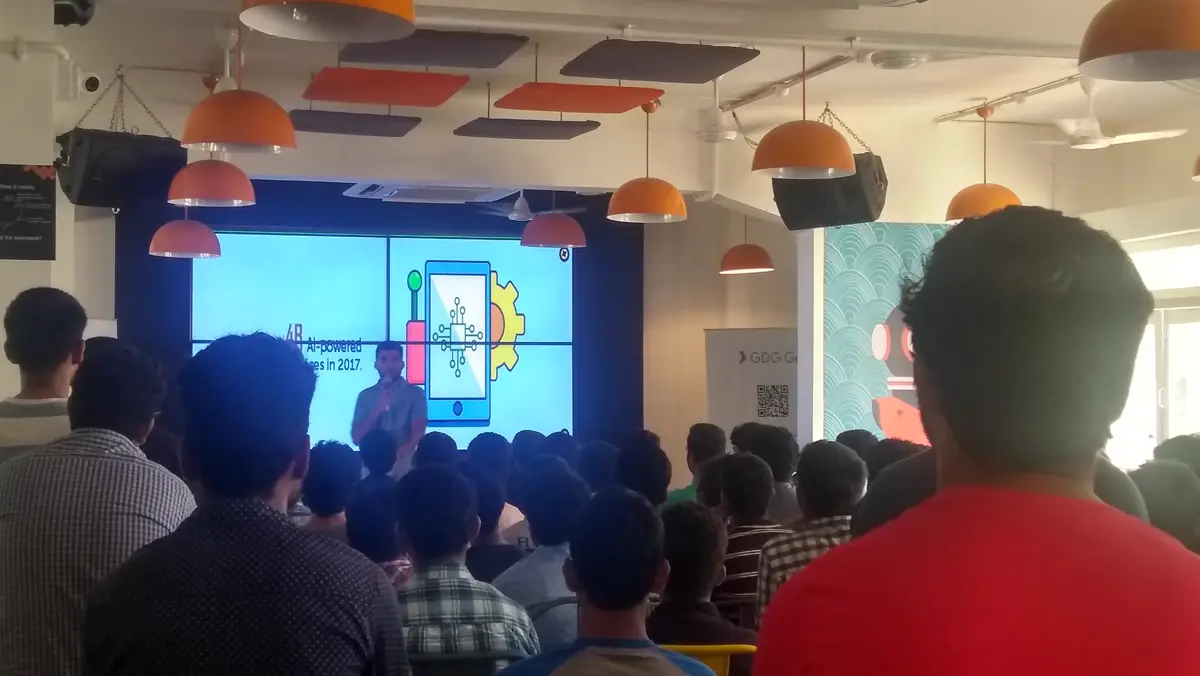

An accelerator application is the form a startup fills in to win a seat in a short, intense cohort. A wrong pick costs a seat that a better startup could have used. Most of those mistakes start on the form. It asks questions every founder answers the same way, and none that show who will act on feedback.
This guide is for accelerator managers writing the questions. It covers six areas, why each is asked and what a good answer looks like, with a list to copy at the end. If you are still deciding which model you run, read our comparison of accelerators and incubators in India first.
What questions should an accelerator application ask?
An accelerator application should ask about six areas: the team, the problem and proof that customers have it, traction, the cap table, commitment, and what founders expect from the cohort. Each answer should feed a score or a yes or no rule. If the committee won't use an answer, cut the question.
Official programmes show the style. The SAMRIDH page of ABIF at IIT Kharagpur lists its rules as checks. The startup must be a company under the Companies Act 2013 with at least 51% Indian shareholding (ABIF, checked November 2026). It must hold DPIIT recognition and have a prototype ready for market validation, with initial traction.
Each of those rules becomes a question with a clear answer. That is the test for every field you add.
How do official accelerator rules compare?
Three official programmes set their entry rules in plain checks, and they differ on stage and money. The table sets the two SAMRIDH pages beside the Seed Fund Scheme guidelines, so you can see the rules at a glance. Use it to write your own rules as yes or no questions.
| Rule | ABIF IIT Kharagpur, SAMRIDH | FITT IIT Delhi, SAMRIDH | Seed Fund Scheme (Jan 2021) |
|---|---|---|---|
| Ownership | Company with at least 51% Indian shareholding | Not stated on the page | At least 51% Indian promoter shareholding |
| Recognition and age | DPIIT recognition required | Not stated on the page | DPIIT recognised, incorporated not more than 2 years before |
| Stage | Prototype ready for market validation, initial traction | Proof of concept for the product | Product or service idea with market fit and scope to scale |
| Money | Up to ₹40 lakh, invested alongside an equal private cheque | Average ₹30 lakh per startup, up to ₹40 lakh, as equity | Grant up to ₹20 lakh for proof of concept |
| Cohort | 5 to 10 startups; 3 to 6 months | 5 to 10 startups per cohort | Each incubator selects through its own committee |
Methodology: we read the two programme pages and the Seed Fund Scheme guidelines on 19 November 2026, and fact-checked each cell against the source text. ABIF's page showed applications as closed on that date.
What should you ask about the founders and team?
Ask each founder's role and relevant experience, how long the founders have worked together and how they split decisions. Add the team size and the next key hire. Investors at demo day weigh the team heavily. So the committee should test it with evidence, not impressions.
In a survey of 885 VCs summarised by the NBER in 2016, the management team was the factor mentioned most often in investment decisions. The full paper also asked which qualities matter most in a team. The survey is global and mostly from the US, but it shows what investors at your demo day will probe.
Qualities VCs rank among the most important in a founding team (global survey)
Turn those qualities into questions. For example, "What have you built or sold before this?" tests ability. "How many years have you spent with this customer?" tests industry experience. "Describe a disagreement between the founders and how you settled it" tests teamwork better than a line about culture.
A good answer is specific and checkable. Our guide to assessing founder-market fit covers how to weigh it.
How do you test the problem and customer evidence?
Ask who the customer is, what they do about the problem today and what shows they want a better answer. The question splits founders who have spoken to buyers from those who have only read about them. Good proof includes interviews, pilots, letters of intent and paying users.
Customer evidence is a dated, checkable sign that buyers have the problem, such as an interview log or a signed pilot. A strong sample answer: "We interviewed 40 clinic owners in March; 12 agreed to a paid pilot." "The market is worth billions" is not an answer to this question.
Add one question about the current alternative: "What does your customer use today, and why will they switch?" Founders who can't name the alternative usually haven't sold yet.
What traction questions suit an accelerator?
Ask for the one metric that best shows progress, its value now and three months ago, revenue as a band, and retention or repeat use. An accelerator is buying the next few months of growth. So the trend matters more than the level.
The FITT IIT Delhi SAMRIDH page says the scheme is for startups that already have a proof of concept. Write your own stage rule as plainly. Then ask for the evidence behind it, such as a demo link or test account for a product, or invoices at shortlist.
Why ask for the cap table, and how much detail?
Ask for a summary cap table at application. An accelerator that invests, or brings investors to demo day, needs to know who owns the company before it commits time and money. A summary is enough at this stage; the full records can wait for the shortlist.
A cap table is a list of who owns what share of the company. The summary should show each founder's stake, any investors and their instruments, the ESOP pool and any notes or SAFE-style agreements not yet converted.
Official programmes depend on it too. The ABIF page sets the Indian shareholding rule. The FITT page says the accelerators take equity through a SAFE or promissory note, in the legal form of compulsorily convertible preference shares. You can't apply either rule without the cap table.
Watch for warning signs: an inactive co-founder with a large stake, dead equity from early advisers, or verbal promises of shares. Our note on cap table red flags lists what investors look for.
An accelerator application should test what the cohort can change, and confirm what it can't.
How should you ask about commitment?
Ask whether every founder works on the startup full time and who will attend each part of the programme. Ask whether the team can be in your city for in-person sessions. A short cohort fails when founders skip sessions. So commitment is a selection rule, not a formality.
The ABIF page describes a tailor-made acceleration programme of three to six months. State your own length, time per week and location in the call. Then ask founders to confirm each one. A founder who says yes to a stated schedule is easier to hold to it.
What should you ask about what founders expect from the cohort?
Ask what the startup needs most in the next few months. Then ask which part of the programme it expects to use: mentors, customer introductions, investor access or the demo day. The answers show whether the startup needs what you offer.
A good answer is narrow: "Introductions to three hospital procurement heads, and help pricing an enterprise plan." A vague one, "Mentorship and funding", tells you the founder hasn't read the call. Use the answers later to assign mentors.
What does a full list of accelerator application questions look like?
The list below covers the six areas in one form. Cut what your committee won't score, and move anything marked "shortlist" to a second form. For a laid-out example, see the accelerator application form template. For the steps from call to day one, read our guide to the cohort intake process.
- Startup name, website, city, legal form and year of incorporation.
- Is the startup DPIIT recognised? (only if your rules require it)
- Founders: name, role, relevant experience, profile link.
- How long have the founders worked together, and how do you settle disagreements?
- Who is your customer, and what do they use today?
- What evidence shows they want a better answer? Give dates.
- Your main metric: its value now and three months ago.
- Monthly revenue band, including "pre-revenue".
- Summary cap table: founders, investors, ESOP pool, unconverted notes.
- Total funding raised so far, and from whom.
- Do all founders work on the startup full time?
- Who will attend the programme, and can you be in our city for in-person sessions?
- What do you need most in the next few months?
- Which part of the programme do you expect to use most?
- Pitch deck (PDF) and a demo link or test account.
- How did you hear about us? (optional)
- Shortlist: incorporation certificate, shareholding records, latest financial statements.
- Consent to use this data for selection.
Questions
What questions do accelerators ask in an application?
Accelerators ask about the founders and how they split the work, and about the problem and evidence that customers have it. They ask for traction with dates, the cap table and any earlier funding. They also ask whether founders can commit full time, and what help they want from the cohort and its mentors.
Why do accelerators ask for the cap table?
Accelerators that invest, or that bring investors to demo day, need to know who owns the company before they commit. A messy cap table, an inactive co-founder with a large stake or missing paperwork can stall a later round. Some official programmes also set ownership rules, such as at least 51% Indian shareholding.
How long should an accelerator application be?
Long enough to answer the six areas a selection committee scores, and no longer. Most founders can finish a well-built form in under an hour. Ask for the deck and the cap table summary at application, and leave detailed financials and legal documents for the shortlist.
Do accelerators require full-time founders?
Many do, because a short programme of three to six months only works if founders attend sessions and act on feedback quickly. Ask the question plainly on the form, and ask who on the team will attend each part of the programme, rather than guessing from a profile.
Sources: ABIF IIT Kharagpur, MeitY SAMRIDH accelerator programme page, accessed 18 Nov 2026 · FITT IIT Delhi, Startup Accelerator of MeitY for Product Innovation, Development and Growth (SAMRIDH) page, accessed 18 Nov 2026 · NBER Working Paper 22587, How Do Venture Capitalists Make Decisions? (Gompers, Gornall, Kaplan and Strebulaev), Sep 2016 · NBER Digest, How Do Venture Capitalists Make Decisions?, 30 Nov 2016 · DPIIT, Guidelines for Startup India Seed Fund Scheme, Jan 2021
Build your application form on MyStartupValley Events. Free to use, no account needed to start: mystartupvalley.com/msvevents. More organiser guides are on the MyStartupValley blog.