

How to host a networking event for founders and investors
To host a networking event for founders and investors, invite a reviewed list with a set ratio of founders to investors, ask registration questions that show who each person wants to meet, run a quick check-in, give everyone a who's-here list and five people to meet, make introductions, and follow up the next morning.
By Akshay Kendurkar, CEO, MyStartupValley
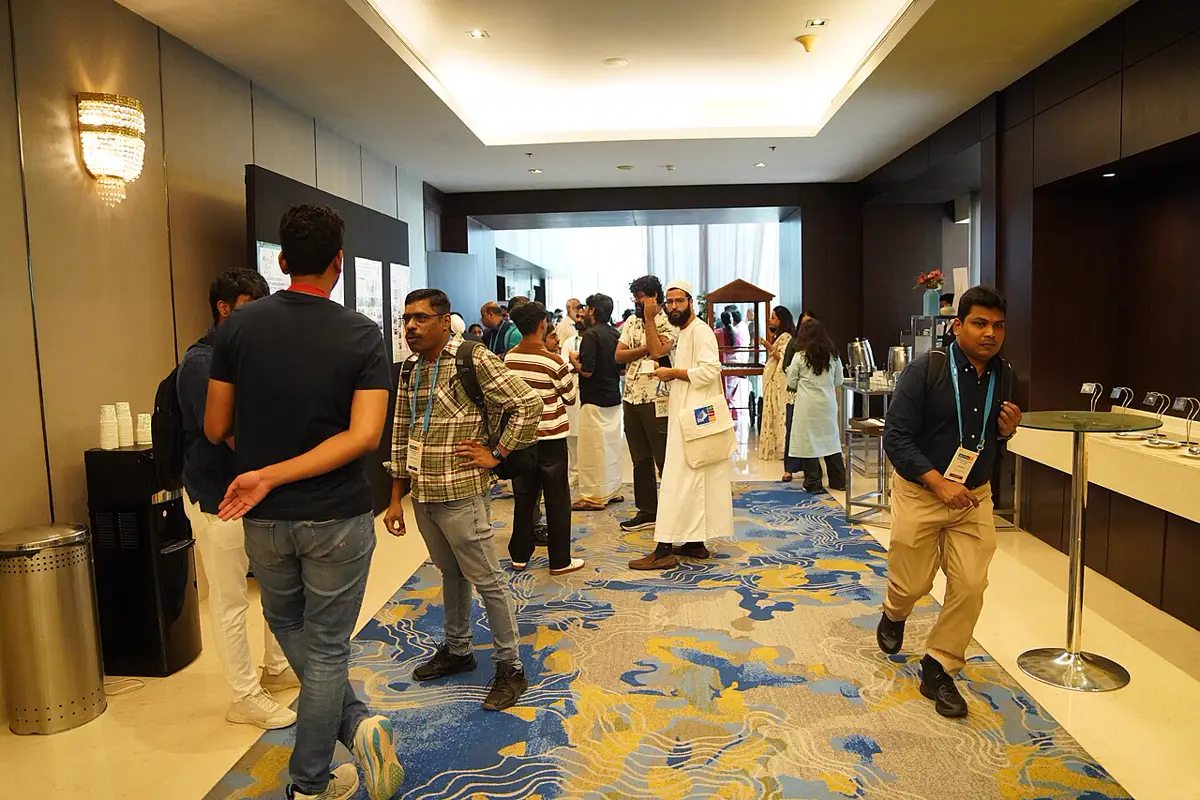

The usual networking evening fails in a familiar way. Investors arrive, get held by the first founder they meet and leave early. Founders spend the night talking to people they already know. Afterwards, nobody can tell which conversations mattered.
This guide is for organisers who want introductions to happen by design. It covers the invite list, registration questions, check-in, a who's-here list and a "five people to meet" list for each attendee, active hosting on the night and the next-morning follow-up. For a recurring community evening, see our guide on how to host a startup meetup.
How do you host a networking event for founders and investors?
Treat it as an introductions event, not a party. Build a reviewed invite list, collect what each person wants from the evening at registration, prepare introductions before anyone arrives, and use the night to make them happen. Then follow up the next morning so first conversations turn into meetings.
Investors give these evenings time because networks are how they find deals. In a survey of 885 venture capitalists summarised by the NBER, over 30 percent of deals came through professional networks and 20 percent were referred by other investors. The research is global, but the logic holds: an organiser who makes useful introductions becomes part of that network.
Where venture capital deals come from (global survey)
Who should be on the invite list?
Invite founders whose stage and sector fit the investors you can bring, plus a few operators and ecosystem people who make useful introductions. Decide the ratio first, such as one investor for every four or five founders, and cap the room at a size where everyone can meet the people on their list.
Screen founders lightly: a working product or clear evidence of demand is enough for most evenings. Invite investors personally and tell them which sectors and stages will be in the room. An event invitation letter template gives you a starting draft for that note.
Send a reminder two days before with the time, the venue and a line on who is coming, described by sector and stage rather than by name. People who know the room will be useful to them are more likely to turn up.
Keep a waitlist and release places as people decline. That also eases the no-show problem covered in our guide to reducing event no-shows.
What registration questions set up good introductions?
Ask each person who they are, what they work on and who they want to meet. For founders, add sector, stage and what they need now, such as a lead investor or first customers. For investors, add the sectors and stages they consider. These answers drive every introduction you make.
Ask only what you will use. India's Digital Personal Data Protection Act, 2023 says consent must be specific to a stated purpose and limited to the personal data that purpose needs. If you plan to show attendees each other's names and companies, say so on the form and get a clear yes. This is not legal advice; check with a professional for your case.
The investor meetup RSVP form template and the founder meetup registration form template list fields for each side, and our guide to event registration form fields explains what to leave out.
How should check-in work on the night?
Check-in should take seconds and record who actually came. Print badges with name, company and role in large type, colour-coded for founders, investors and others, and mark attendance as people arrive. Use that attendance list for follow-up, not the registration list.
Put one person on the door with the guest list and a second ready for walk-ins or problems. Hand each attendee their personal "five people to meet" card at check-in, so the first useful conversation starts within minutes of arrival.
What are the who's-here list and the five-people-to-meet list?
The who's-here list is a one-page directory of attendees who agreed to be listed, with name, company, role and one line on what they want. The five-people-to-meet list is personal: for each attendee, the organiser picks five people worth finding from the registration answers, with a reason for each.
Build both the day before, from the confirmed list. For a founder, the five might be two investors who back their sector and stage, a founder who has solved a problem they face, and two possible customers or partners. For an investor, pick founders whose sector and stage fit their stated focus.
Send the lists by email on the morning of the event as well as on paper. Update them for late cancellations, and never list anyone who did not agree to it.
The introductions you plan the day before are the ones that happen on the night.
How do you run the room at a networking event?
Host actively. Open with a short welcome that explains the lists and how to ask for an introduction, then have two or three hosts walk the room making introductions from the lists. Use timed rounds or small tables if the room is quiet, and keep any talk under fifteen minutes.
Give hosts the who's-here list with notes on who wants to meet whom. A host who says "you two should talk, and here is why" does more than any icebreaker. Move investors along gently if one founder holds them too long, and end at the time you promised.
Set aside a quiet corner for short one-to-one conversations, so a promising introduction can go deeper without either person leaving the event.
The guide to networking at startup events has more formats for structured introductions.
What should the next-morning follow-up include?
Send the follow-up the next morning, while the evening is fresh. Each attendee should get the who's-here list, a reminder of their five people with contact routes both sides agreed to, and a simple way to ask for an introduction they missed. Make requested introductions by email within two days.
Write each introduction as a short email to both people, with one line on why they should talk and a clear next step. Do not forward contact details to anyone who did not agree to it at registration.
Log every introduction you make, and ask a few weeks later which ones led to a meeting. That record shows whether the event is working and gives you a reason to invite the same investors back. Our guide to startup event follow-up covers the emails in detail.
Questions
How do you organise a networking event for startups?
Build a reviewed invite list with a set ratio of founders to investors, ask at registration who each person wants to meet, prepare a who's-here list and a personal list of people to meet, have hosts make introductions on the night, and send the follow-up the next morning.
What should a networking event registration form ask?
Ask name, company, role and who the person wants to meet. Founders should add sector, stage and current need; investors should add the sectors and stages they consider. Ask only what you will use, and get clear consent before showing attendees each other's details.
How many investors should attend a founder networking event?
Set a ratio before you invite, such as one investor for every four or five founders, so each investor can meet the founders on their list without being swamped. A small room where everyone meets their five people does more than a large room with loose networking.
When should you send a follow-up after a networking event?
Send it the next morning. Include the who's-here list, each attendee's people to meet with agreed contact routes, and a way to request missed introductions. Make the requested introductions by email within two days and log which ones lead to meetings.
Sources: NBER Digest, How Do Venture Capitalists Make Decisions? (Gompers, Gornall, Kaplan and Strebulaev), 30 Nov 2016 · Ministry of Electronics and IT, The Digital Personal Data Protection Act, 2023 (Gazette text), 11 Aug 2023
Running one soon? See investor meetings at startup events, QR check-in for events and startup meetup registration on MyStartupValley Events. More organiser guides are on the MyStartupValley blog.